Smart Mobility · 2019 · Mobile app · Mobility aggregator
Every ride in one place
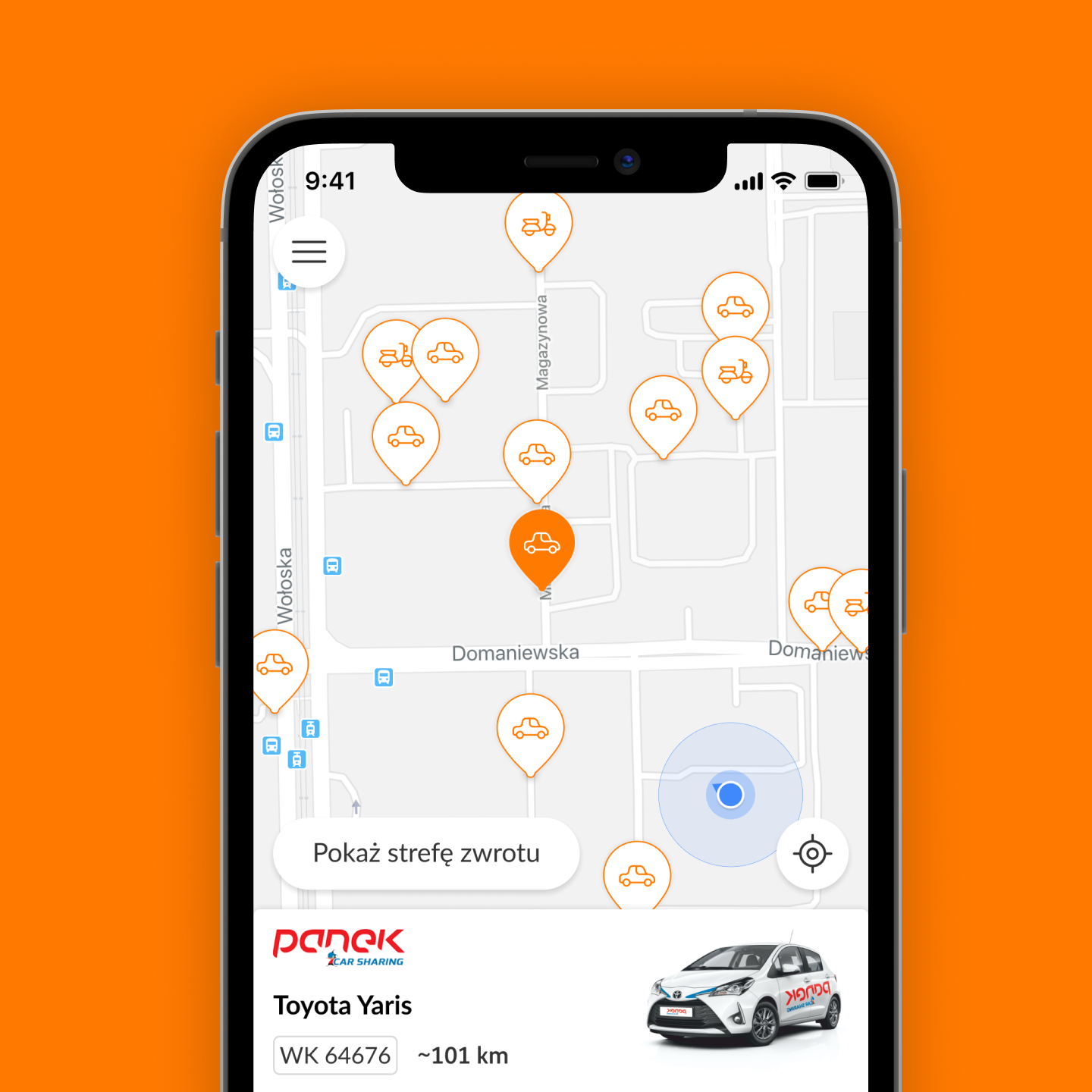
A vehicle-sharing aggregator for iOS and Android: the sharing services a city already has, brought together under one app.
The brief
A city full of sharing services means a phone full of separate apps, accounts and maps. Smart Mobility set out to put them all under one roof.
The client was the Polish branch of an international company. The goal was ease and convenience: one place to find, compare and use whatever vehicle is nearby.
The short version
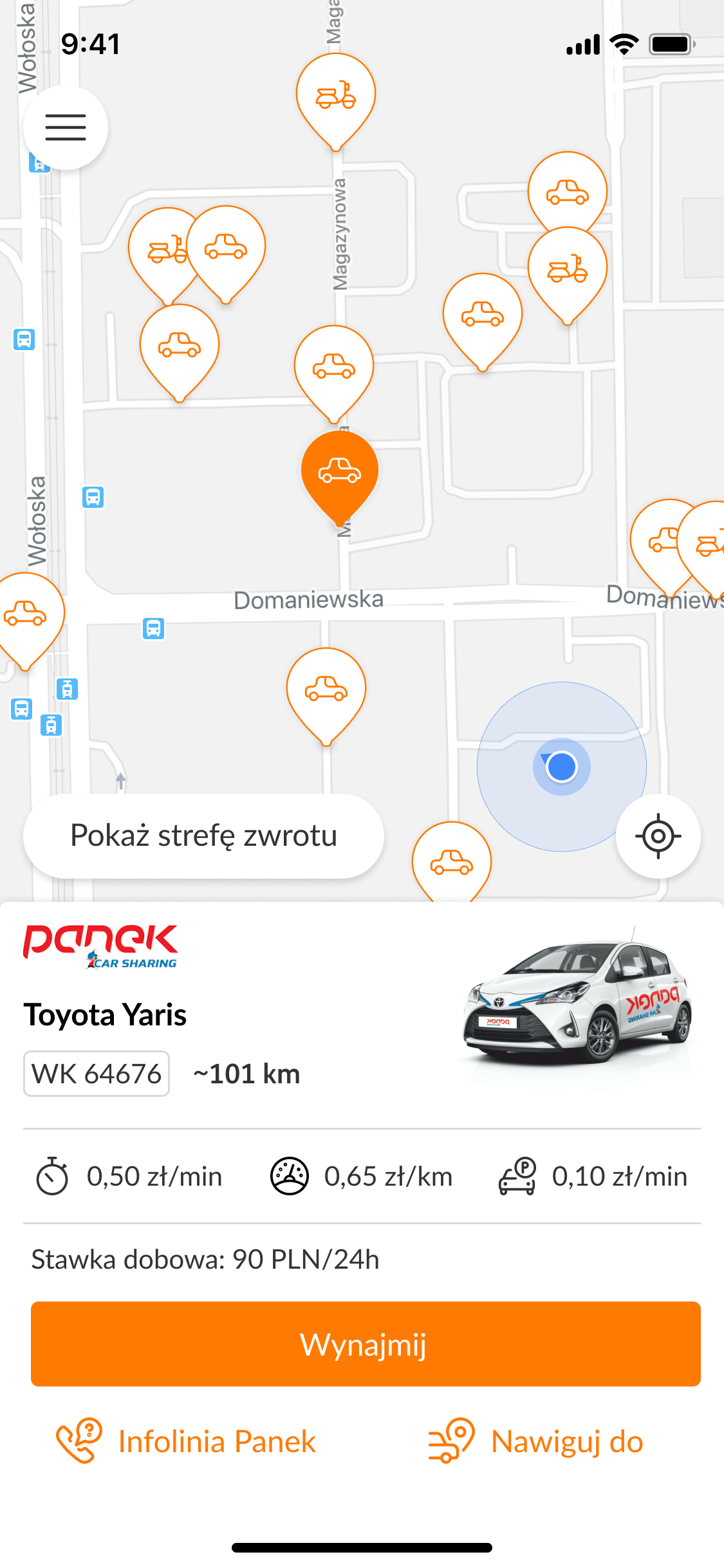
An aggregator lives or dies on whether it feels like one product. Every provider brings its own vehicles, rules and vocabulary, and the app's job is to make that difference disappear for the rider.
I designed it end to end at Pragmatists as the only designer, with a small team of full-stack developers, for iOS and Android at once.
Key decisions
Many providers, one product.
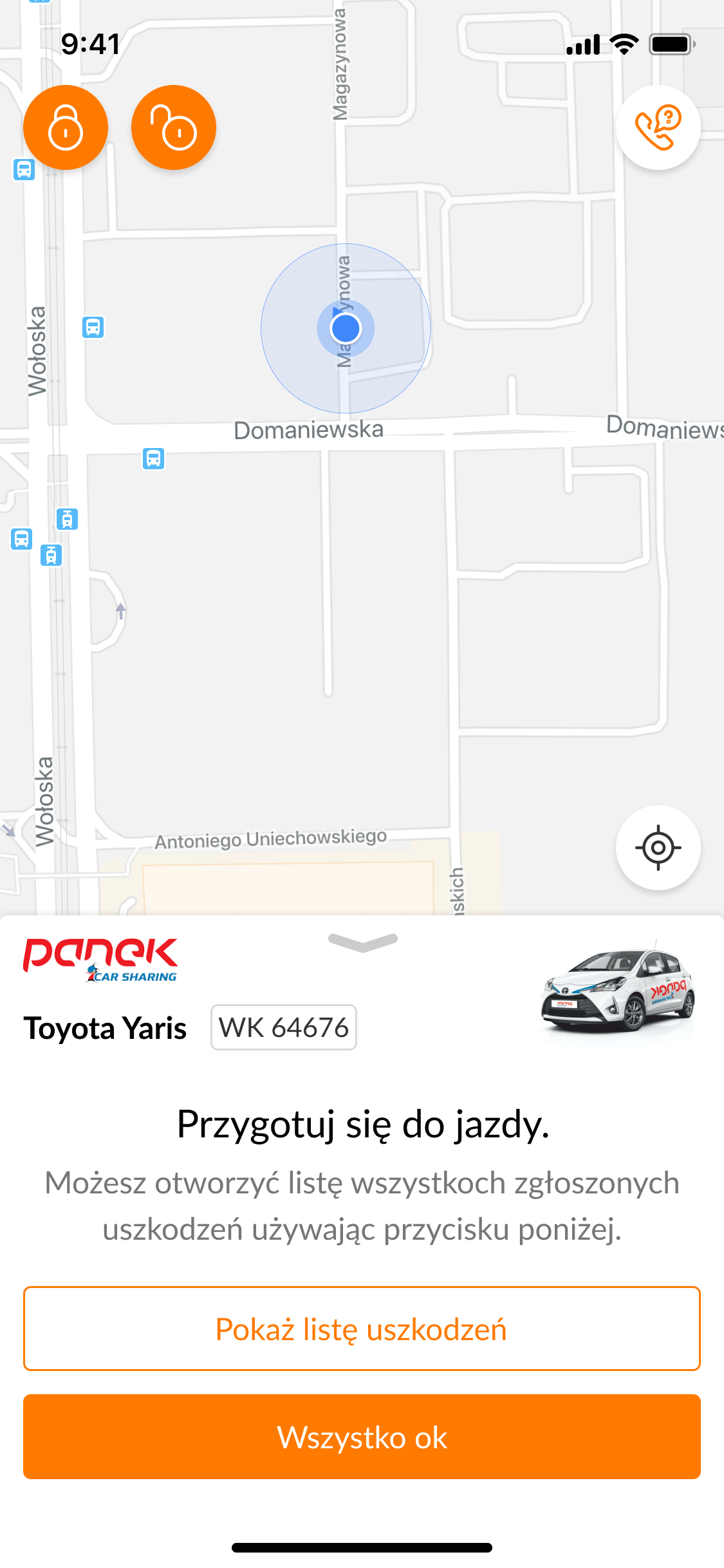
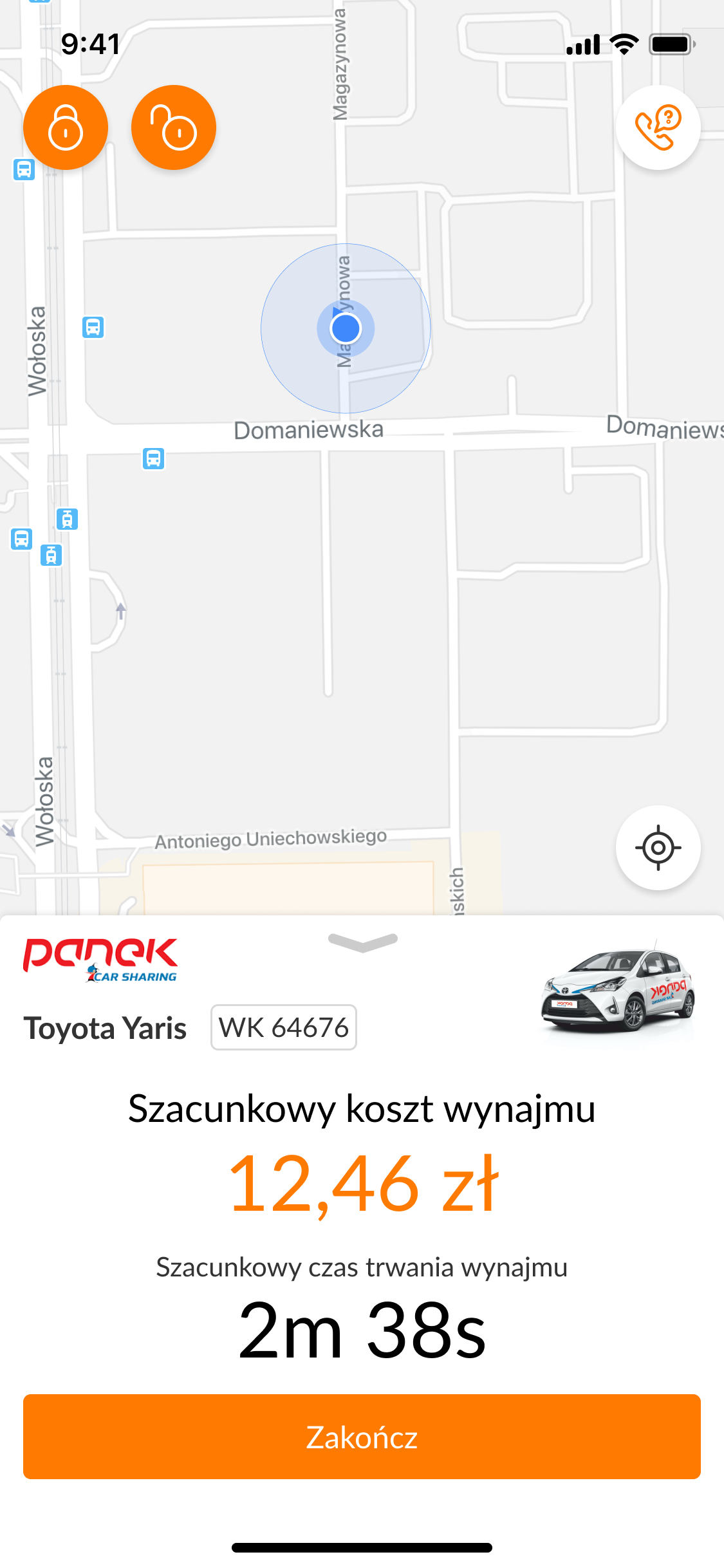
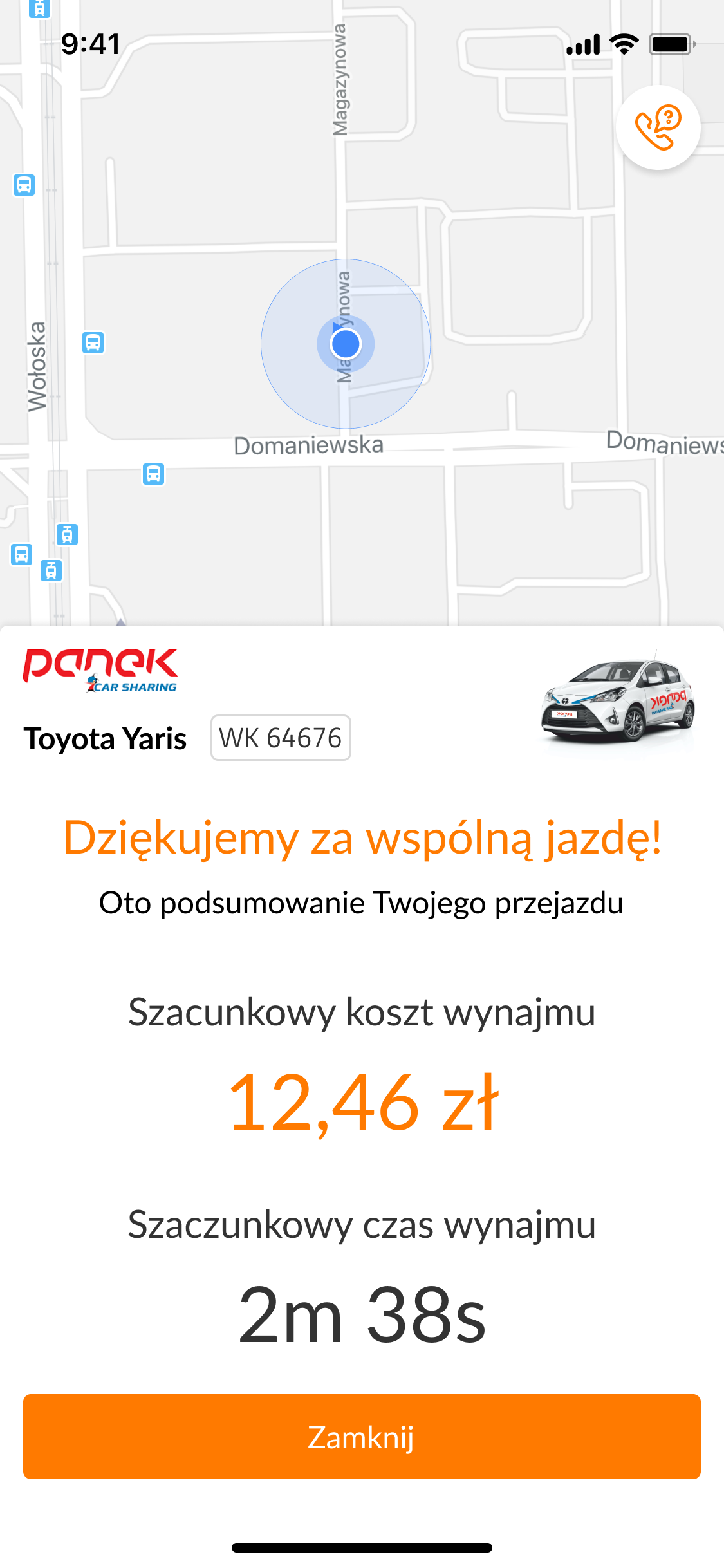
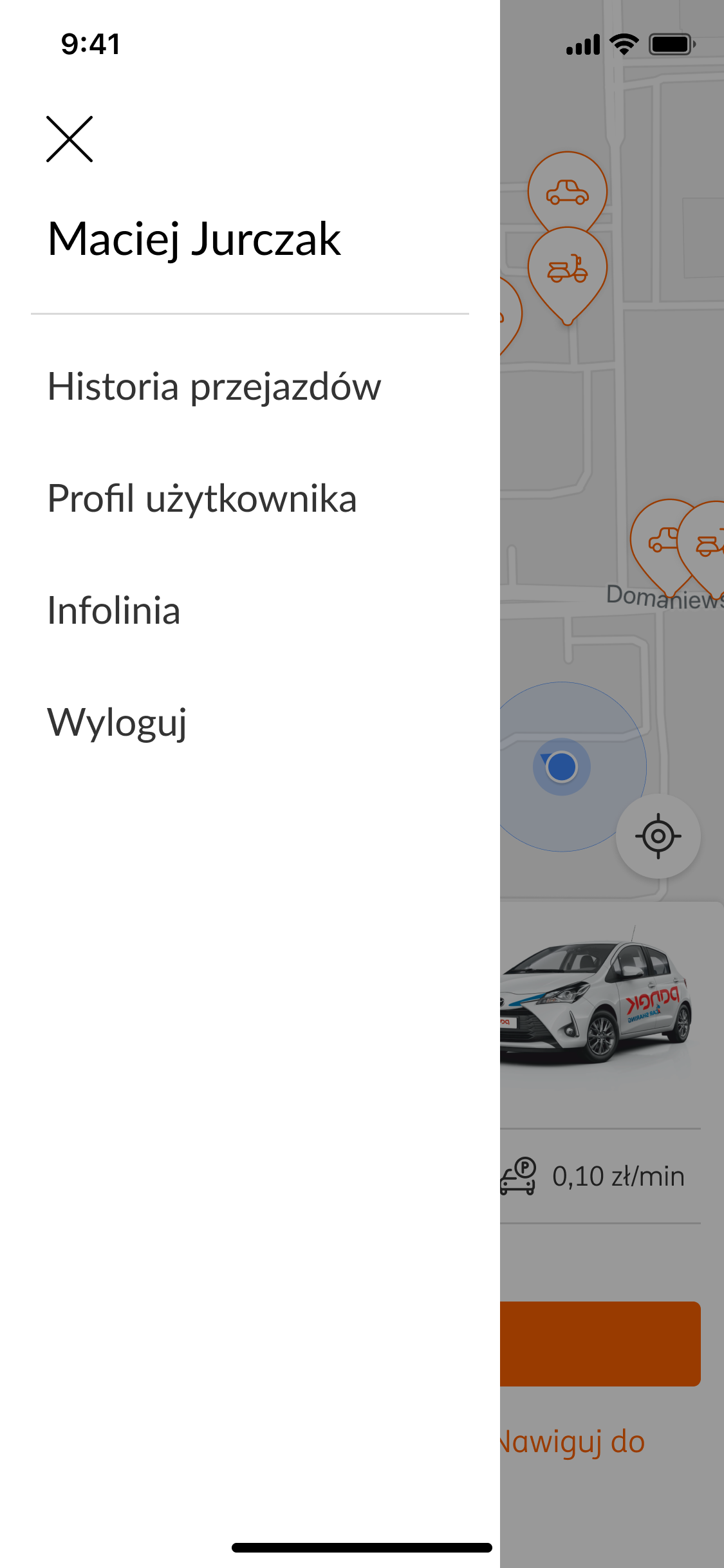
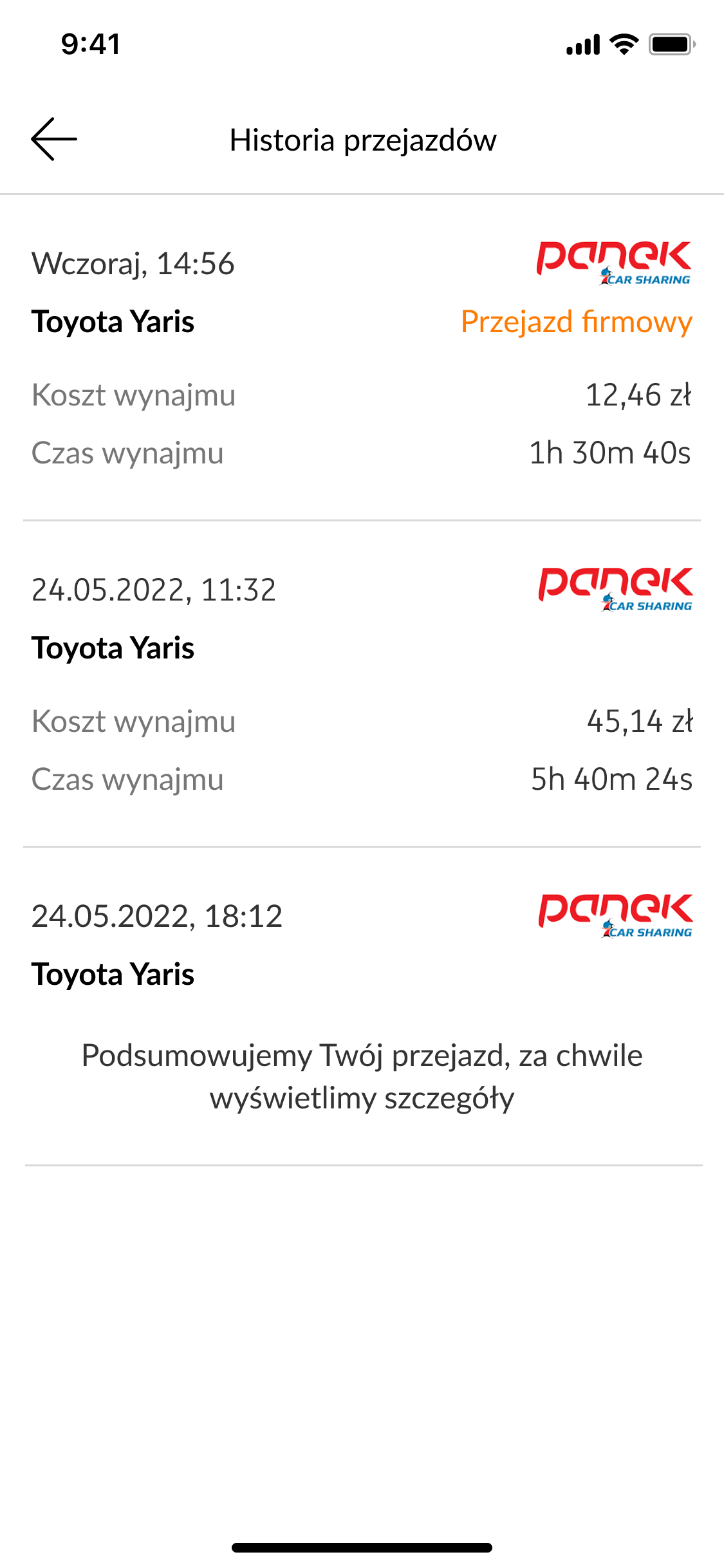
Riders shouldn't have to think about which company owns the vehicle in front of them. The interface had to present every service through one consistent set of patterns, so switching between them felt like using a single app.
Share the components, respect the platform.
Most components were shared across iOS and Android to keep the product consistent and the build lean. Specific flows were adapted to each platform's conventions, following Apple's Human Interface Guidelines and Android's Material Design.
Tradeoff: every adapted flow means two versions to design, test and maintain, so the split had to be kept for the places where native behaviour really mattered.
Prototype and test before building.
With a small development team, a wrong flow is expensive. The main journeys were prototyped and tested before any code: hallway tests inside the team first, then sessions with people already using services such as Panek, recruited by word of mouth. The developers built on validated designs.

Outcome
The project was postponed indefinitely. The main reason was the market itself: the COVID-19 pandemic and its aftermath changed how, and how much, people moved around cities.